Gambling in Bahrain, as in many parts of the world, is an intriguing subject characterized by its unique blend of cultural influences and legal stipulations. While Bahrain itself does not have a legalized casino industry due to Islamic laws prohibiting gambling, it offers various forms of entertainment that share similarities with gambling games found elsewhere. This comparison can be drawn based on the types of games available and the features they offer.
Bahrain’s approach to gambling-like activities often revolves around games that are more culturally acceptable yet still provide excitement similar to traditional gambling. For instance, horse racing is a popular activity in Bahrain, much like gambling bahrain in other countries where betting on races is common. Although direct betting may not be prevalent due to legal restrictions, enthusiasts engage through indirect means or simply enjoy the thrill of watching these events unfold.
Comparatively, international casinos offer a wide variety of table games such as poker, blackjack, and roulette. These games are defined by their strategic elements and chance-based outcomes that captivate players worldwide. In contrast, Bahrain’s gaming scene leans towards electronic gaming machines found in licensed venues like hotels or private clubs catering primarily to tourists and expatriates who seek familiar recreational experiences.
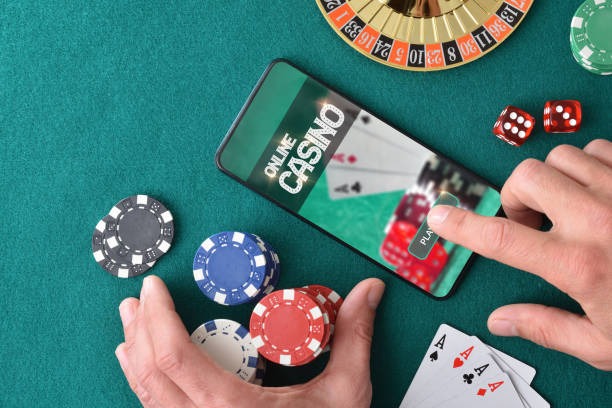
Another notable feature when comparing gambling activities involves online platforms. With technological advancements making online casinos accessible globally, residents and visitors in Bahrain might explore these digital avenues for entertainment purposes while adhering to local regulations regarding internet usage. Online platforms typically boast diverse game selections from slots to live dealer experiences mimicking real-life casino environments without geographical constraints.
Moreover, lotteries represent another facet where comparisons can be made between Bahraini practices versus global standards seen predominantly across Europe or North America. Lotteries inherently possess elements akin to gambling given their reliance on random draws; however they often serve dual purposes by funding public projects alongside providing participants chances at winning prizes—an aspect observed within some regional initiatives despite overarching limitations imposed locally against widespread lottery systems.